 Risk Track
Risk Track
Risk Track
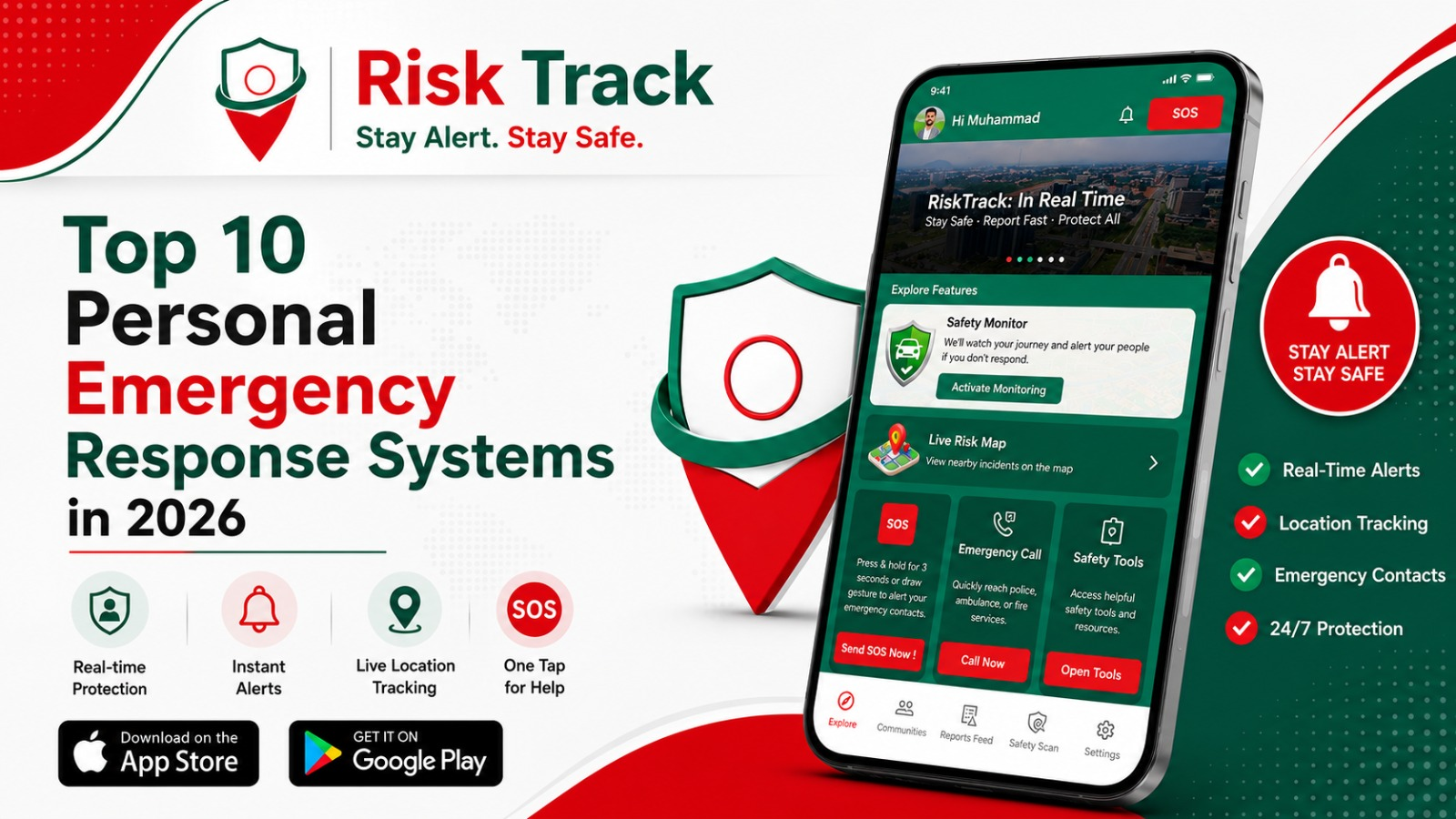
In today’s fast‑paced world, safety has become more important than ever. A Personal Emergency Response System (PERS) is a crucial tool for anyone looking to ensure personal safety, especially seniors or individuals living alone. In 2026, these systems have evolved beyond simple alert devices to smart, real‑time monitoring solutions that can save lives — whether you are in Brazil, Haiti, India, Indonesia, Kenya, Mexico, Nigeria, the Philippines, South Africa, Venezuela, the UAE/Gulf Region, Turkey, Colombia, Somalia, or Sudan/South Sudan. Emergencies can happen anywhere — from busy cities to rural regions — and a dependable personal emergency response system ensures immediate help during medical emergencies, accidents, or unforeseen safety threats. This guide will walk you through the top 10 personal emergency response systems in 2026, their features, benefits, and how to choose the best one for your needs.
A personal emergency response system (PERS) is a safety and communication device that connects an individual to help whenever an unexpected health or personal emergency happens. PERS devices typically include a wearable help button (like a pendant or wristband), a base communication unit or mobile platform, and a 24/7 monitoring service.
These features make the personal emergency alert device a must-have for seniors, caregivers, and anyone prioritizing safety.
Safety is priceless. A personal emergency alert system not only offers peace of mind but also provides quick access to help during critical situations. Some of the main reasons to invest in a PERS include:
Here is a curated list of the best personal emergency response systems, featuring top emergency response buttons and devices designed for seniors, families, and individuals:
LifeAlert remains a trusted name in emergency response. Known for its reliability, it offers emergency response buttons for seniors, 24/7 monitoring, and GPS-enabled devices.
Pros: Quick response time, reliable service, fall detection.
Cons: Higher monthly cost compared to some competitors.
Risk Track is a leading personal emergency response system in app form, designed for real-time personal safety monitoring. It’s ideal for individuals, seniors, and anyone looking to stay safe on the go.
Pros: Comprehensive safety features, real-time tracking, and SOS functionality.
Cons: Requires a smartphone and internet connection for full functionality.
Medical Guardian is renowned for its innovative devices, including personal emergency alert devices with fall detection and GPS tracking.
Pros: Modern design, mobile and in-home options.
Cons: Some devices require monthly subscription.
Alert1 focuses on simplicity and reliability. Their personal emergency alert system includes easy-to-use buttons and wearable devices.
Pros: Affordable, easy setup, nationwide coverage.
Cons: Limited advanced features compared to competitors.
ADT Health integrates with ADT security systems, providing a personal response system with seamless monitoring.
Pros: Trusted brand, advanced technology, 24/7 monitoring.
Cons: Monthly fees higher than standalone systems.
Philips Lifeline is a leading brand offering both in-home and mobile personal emergency devices, including fall detection features.
Pros: Reliable service, automatic fall detection, nationwide support.
Cons: Slightly bulkier devices.
GreatCall Lively Mobile is a mobile-based personal emergency alert device perfect for seniors who travel frequently.
Pros: GPS tracking, mobile monitoring, fall detection.
Cons: Requires cell service for mobile monitoring.
MobileHelp provides wearable personal emergency response systems, designed for mobility and ease of use.
Pros: Affordable, mobile options, easy setup.
Cons: Limited accessories compared to premium brands.
Connect America is ideal for seniors needing a personal emergency response system with comprehensive monitoring features.
Pros: Low-cost options, fall detection, mobile support.
Cons: Some devices may feel outdated.
LifeFone offers a variety of personal emergency alert systems, including pendants, wristbands, and mobile devices.
Pros: Nationwide coverage, multiple device options, fall detection.
Cons: Monthly fees can be slightly higher for advanced devices.
Selecting the right personal emergency response system can be overwhelming. Consider these factors:
Using a personal emergency alert device provides several advantages:
A personal emergency response system is a complete solution including monitoring services, while a personal emergency alert device is a wearable or button used to trigger alerts.
No. They are ideal for anyone concerned about safety, including individuals with medical conditions or those living alone.
Yes. Mobile-enabled personal emergency response systems include GPS tracking for safety outside the home.
Yes. Most systems use cellular networks and do not require Wi-Fi for emergency alerts.
Response time averages a few minutes, depending on your location and system provider.
Most personal emergency response systems are plug-and-play and easy to set up without professional installation.
A Personal Emergency Response System is no longer a luxury but a necessity in 2026. Whether you are a senior seeking independence, a family looking for peace of mind, or someone prioritizing safety, investing in a reliable personal emergency alert system ensures immediate help during emergencies.
The systems listed above, including LifeAlert, Bay Alarm Medical, and Philips Lifeline, are among the top options for nationwide use. By selecting the right personal emergency response device, you can safeguard yourself and your loved ones, ensuring peace of mind and safety every day.
Start exploring your options today and experience the confidence that comes with having a trusted personal emergency response system by your side.