 Risk Track
Risk Track
Risk Track
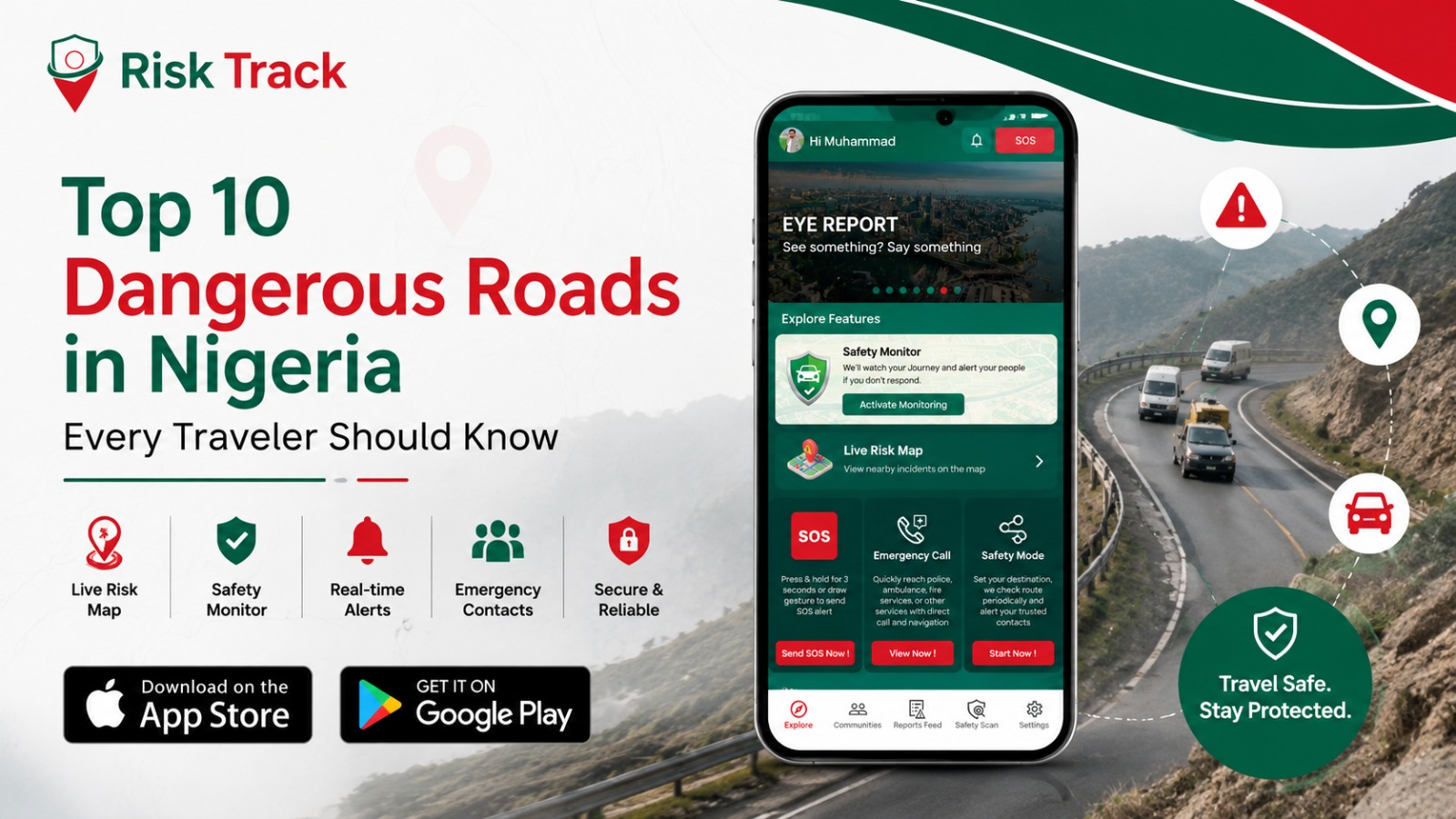
Nigeria has one of the largest road networks in Africa, connecting major cities, commercial hubs, and rural communities. Every day, millions of people travel across the country for work, business, education, and tourism. While many routes are safe and well-traveled, some remain among the most dangerous roads in Nigeria due to poor road conditions, heavy traffic, accident risks, security concerns, and unpredictable weather.
Understanding these high-risk routes is important for anyone planning a journey. Knowing where potential dangers exist can help travelers make informed decisions, prepare for emergencies, and prioritize their safety. Whether you are a daily commuter, professional driver, tourist, or business traveler, awareness is one of the most effective ways to reduce risk.
This guide explores the top 10 dangerous roads in Nigeria, explains why they are considered risky, and provides practical advice on improving travel safety in Nigeria.
Several factors contribute to road risks throughout the country. Some roads experience frequent accidents because of poor maintenance, while others are affected by congestion, limited visibility, or security challenges.
These conditions can turn otherwise ordinary highways into unsafe roads in Nigeria, especially during peak travel seasons or adverse weather conditions. For practical day-to-day guidance, see our personal safety tips for Nigeria.
The Lagos-Ibadan Expressway is one of Nigeria's busiest transportation corridors. Thousands of vehicles travel this route daily, creating heavy congestion and increasing accident risks.
Travelers often face:
Because of its high traffic volume, it frequently appears in discussions about the most dangerous roads in Nigeria.
Safety Tip: Maintain safe following distances and avoid excessive speed, particularly during busy travel periods.
This major route connects Nigeria's capital region with northern states. While it remains essential for transportation, travelers should remain alert and informed before using the highway.
Potential risks include:
Many travelers consider it among the important roads to avoid in Nigeria during certain times unless necessary precautions are taken.
The Benin-Ore Road serves as a key connection between western and southern Nigeria. Large commercial vehicles frequently use this route, increasing traffic complexity.
Common challenges include:
These conditions contribute to its reputation as one of the country's dangerous highways in Nigeria.
Stretching through the Niger Delta region, the East-West Road plays a crucial role in transportation and economic activity.
Travelers may encounter:
Monitoring current road conditions in Nigeria before departure can help reduce unexpected travel risks.
This route supports significant commercial activity but can present hazards due to traffic volume and road maintenance issues.
Risks include:
Defensive driving remains essential throughout the journey.
This long-distance route connects important northern regions and requires careful planning before travel.
Travelers should pay attention to:
Good preparation improves overall travel security in Nigeria and reduces potential risks.
Known for heavy commercial traffic, this route often experiences congestion and accident-related delays.
Road users should remain alert for:
Many experts classify sections of this route among the country's high-risk roads in Nigeria.
Mountainous terrain and changing weather conditions can create additional driving challenges.
Potential hazards include:
These natural road hazards in Nigeria require cautious driving and increased attention.
Drivers using this route frequently report concerns related to infrastructure quality and traffic management.
Challenges may include:
Travelers should allow additional travel time and avoid rushing.
Lokoja serves as an important transportation gateway, making this route extremely busy.
Common risks include:
As a result, it is regularly mentioned among the top 10 dangerous roads in Nigeria.
While no journey is completely risk-free, proper preparation significantly improves safety.
Research your destination and identify alternative dangerous routes in Nigeria that may be safer during specific times or seasons.
Reduced visibility increases accident risk and makes emergency situations more difficult to manage. If your work requires after-dark travel, read our guide on safety apps for night shift workers in Nigeria.
Routine maintenance helps prevent breakdowns and supports overall road accident prevention Nigeria efforts.
Important checks include:
Monitor traffic reports and travel advisories before departure.
Defensive driving remains one of the most effective strategies for reducing exposure to risky roads in Nigeria.
Modern technology is transforming road safety in Nigeria by helping travelers stay informed and connected during emergencies.
Risk Track is a personal safety app designed to help travelers stay informed and prepared during emergencies. By combining real-time safety intelligence with emergency response tools, Risk Track supports safer journeys across Nigeria's road network. Whether traveling through busy cities or remote highways, users can access important safety information and emergency features when they need them most.
Key benefits include:
An SOS Emergency System allows users to send immediate alerts during emergencies, helping family members or trusted contacts respond quickly.
A Live Incident Map helps travelers identify incidents, disruptions, and potential dangers before entering affected areas.
Community-generated reports provide valuable information about developing situations and help improve awareness on potentially dangerous roads.
Continuous monitoring can offer peace of mind during long journeys and support safer travel decisions.
Safety Scan tools help users assess surrounding risks and improve preparedness before entering unfamiliar areas.
Quick access to emergency contacts and response services can be critical during accidents or unexpected incidents.
These tools support both travel safety in Nigeria and overall personal security. Families can also explore the best family safety apps in Nigeria for additional coverage.
Although discussions often focus on dangerous routes, there are also many safest roads in Nigeria that benefit from better infrastructure, lower congestion levels, and improved maintenance.
However, safety can vary depending on weather conditions, traffic patterns, and time of travel. Even on relatively safe routes, travelers should remain vigilant and prepared.
Understanding the dangerous roads in Nigeria can help travelers make smarter decisions and reduce unnecessary risks. While some highways face challenges related to traffic, infrastructure, weather, or security concerns, preparation remains one of the most effective safety tools available.
By practicing defensive driving, monitoring road conditions, planning journeys carefully, and using modern safety technology, travelers can significantly improve their safety on the road. Whether commuting locally or traveling long distances, awareness and preparedness are essential for every journey.
Some commonly cited high-risk routes include Lagos-Ibadan Expressway, Abuja-Kaduna Highway, Benin-Ore Road, and Lokoja-Abuja Road.
Factors include poor road conditions, heavy traffic, speeding, weather hazards, and infrastructure challenges.
Defensive driving, vehicle maintenance, route planning, and awareness of road conditions can improve safety.
Daytime travel generally offers better visibility, but travelers should still remain cautious and informed.
Carry emergency supplies, maintain communication, and use personal safety tools that provide emergency assistance.
Travelers should research current conditions and official advisories before deciding which roads to use.
Common causes include speeding, distracted driving, poor vehicle maintenance, and adverse weather conditions.
Safety apps can provide SOS alerts, incident monitoring, emergency calling, and real-time safety information.
Yes. Some routes benefit from better maintenance and infrastructure, although road conditions can change over time.
Preparation helps travelers respond more effectively to accidents, delays, breakdowns, and unexpected situations.
Personal safety technology for safer travel, real-time incident awareness, SOS alerts, and emergency preparedness.