 Risk Track
Risk Track
Risk Track
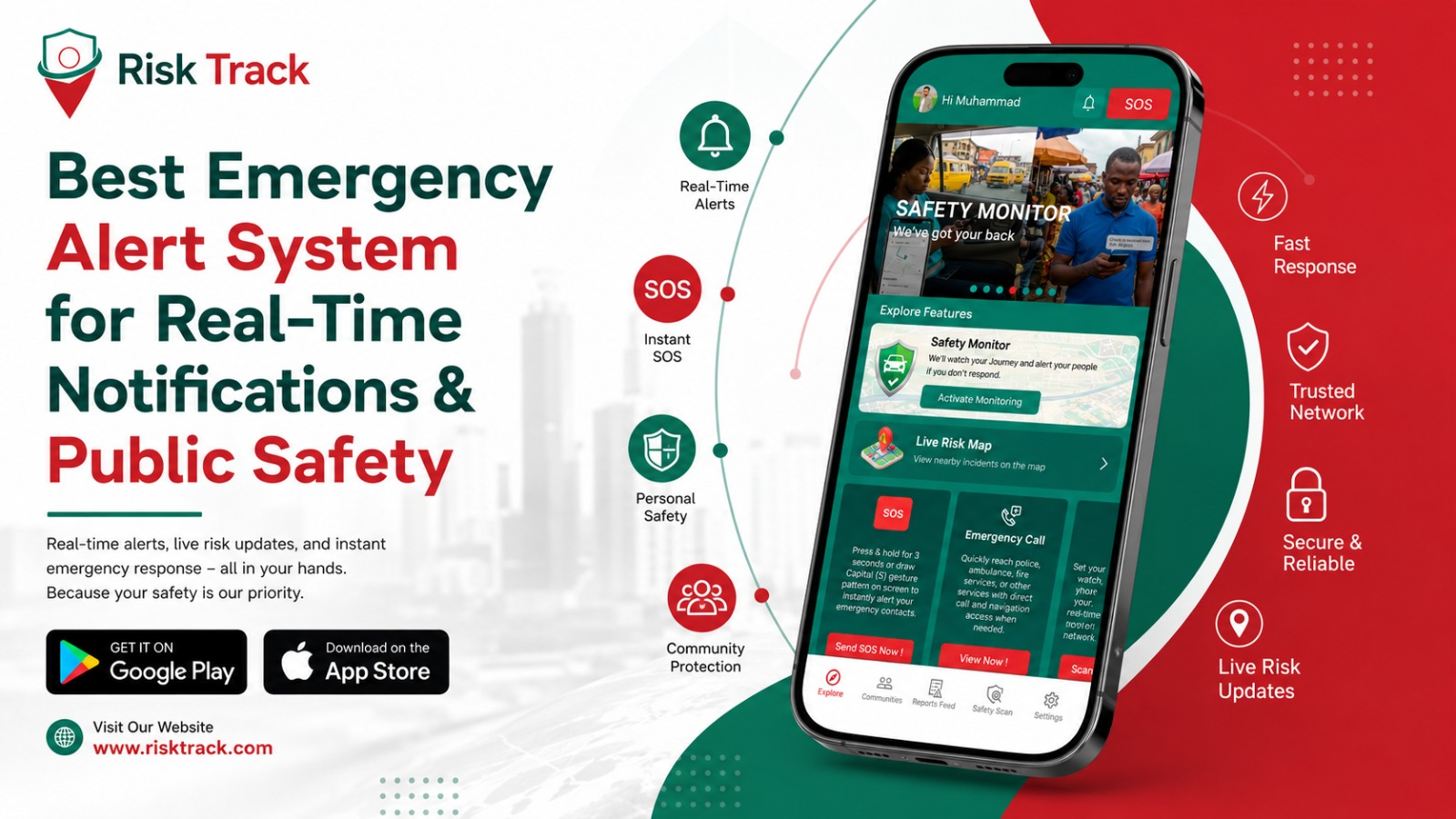
In today’s fast moving world, organizations, schools, businesses, hospitals and government agencies must respond quickly during emergencies. A reliable emergency alert system helps people receive critical information in real time, improving safety, communication, and emergency response. Whether it is a natural disaster, security threat, workplace incident, or public safety emergency, modern alert technology plays a major role in protecting lives and reducing risks.
A professional emergency notification system allows organizations to send alerts through SMS, email, mobile apps, voice calls, desktop notifications and digital signage. These systems are designed to deliver instant communication when every second matters. From small businesses to large enterprises, investing in the best emergency alert system is becoming a top priority in 2026.
This guide explains how emergency alert solutions work, their benefits, important features, and why they are essential for modern safety communication.
An emergency alert system is a communication platform designed to send urgent messages during emergencies or critical situations. These systems help organizations notify employees, students, customers, or the public about safety risks and emergency instructions.
A modern alert system can distribute messages across multiple channels at the same time. This improves response speed and ensures people receive important updates instantly.
Many organizations now use cloud-based emergency notification systems because they provide faster delivery, automation, and remote accessibility.
A powerful emergency warning system is no longer optional for organizations focused on safety and compliance. During emergencies, delayed communication can increase confusion and risk. Real time notifications help people make informed decisions quickly.
Modern emergency response systems also help organizations reduce downtime and improve operational resilience. For example, schools use emergency notifications for lockdown alerts, while hospitals use emergency communication tools for patient safety and staff coordination. Government agencies rely on public alert systems to warn communities about severe weather and disasters.
Choosing the right safety alert system requires understanding the most important features. Advanced solutions provide much more than simple text messaging.
Real-time communication is essential during emergencies. The best systems send alerts instantly across multiple channels.
A strong emergency notification system supports SMS alerts, email notifications, voice calls, mobile push notifications, desktop alerts, and social media integration. This ensures messages reach people quickly regardless of location.
Automated workflows help organizations respond faster. Many emergency alarm systems automatically trigger notifications based on predefined incidents or sensor activity.
Modern mass notification systems can support small teams or millions of users. This flexibility is important for growing businesses and public agencies.
Advanced systems allow organizations to send alerts to specific regions or locations. This improves accuracy and avoids unnecessary panic.
Reporting tools help administrators track message delivery, response rates, and system performance.
Businesses face multiple safety risks including fires, cyberattacks, power outages, workplace violence, and natural disasters. A professional emergency notification system improves communication during critical events.
Many enterprises now invest in cloud-based emergency communication systems because they support remote teams and hybrid workplaces.
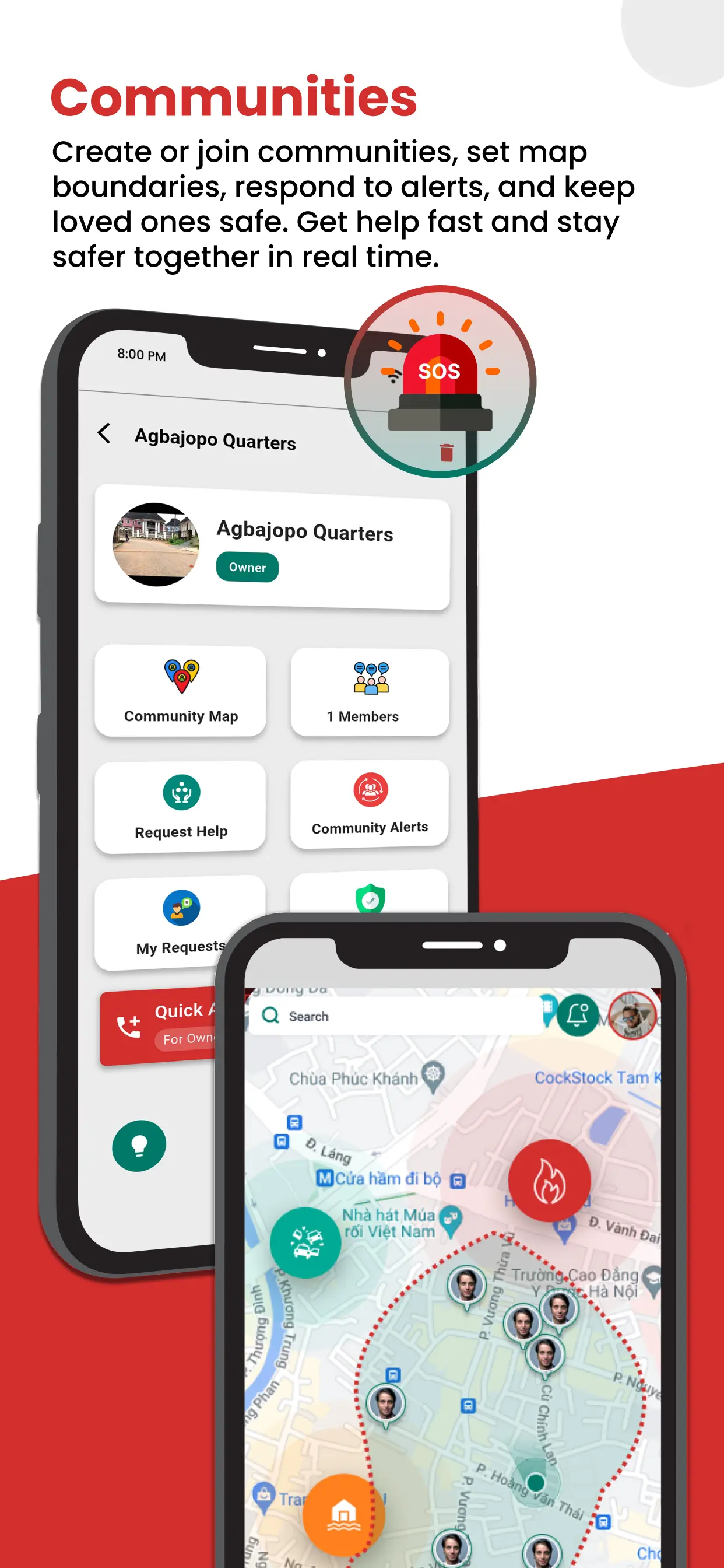
Government agencies and municipalities use public alert systems to protect communities. These systems provide emergency warnings during floods, earthquakes, storms, and security incidents. An effective emergency warning system can save lives by delivering accurate information quickly. In 2026, many cities are adopting AI-powered alert technology to improve disaster response and emergency coordination.
Educational institutions require reliable safety communication tools. Schools and universities use emergency alarm systems and mass notification systems to handle lockdowns, weather emergencies, and campus threats.
A professional disaster alert system is essential for organizations operating in high risk environments. These systems support emergency planning and disaster recovery efforts.
Selecting the right platform depends on organizational needs, scalability, and communication requirements.
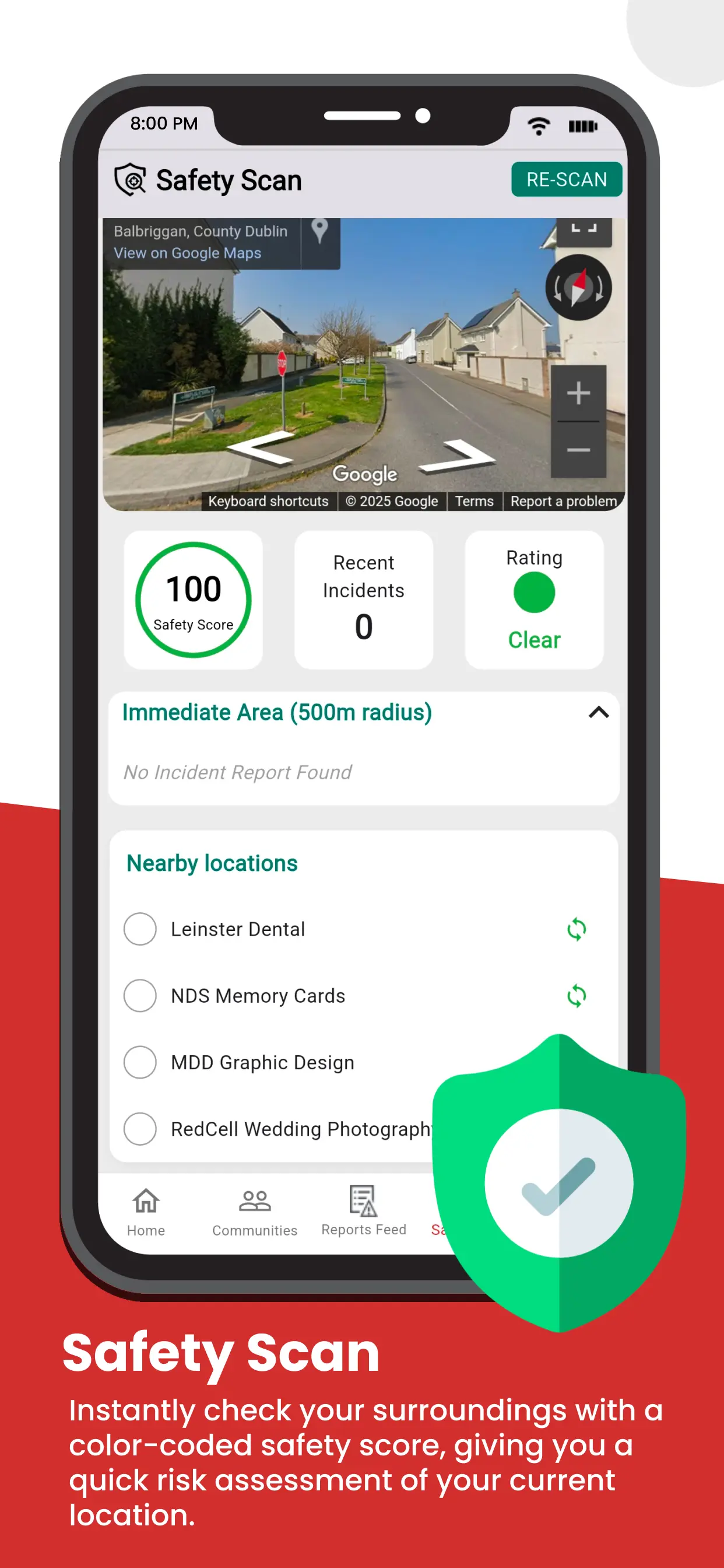
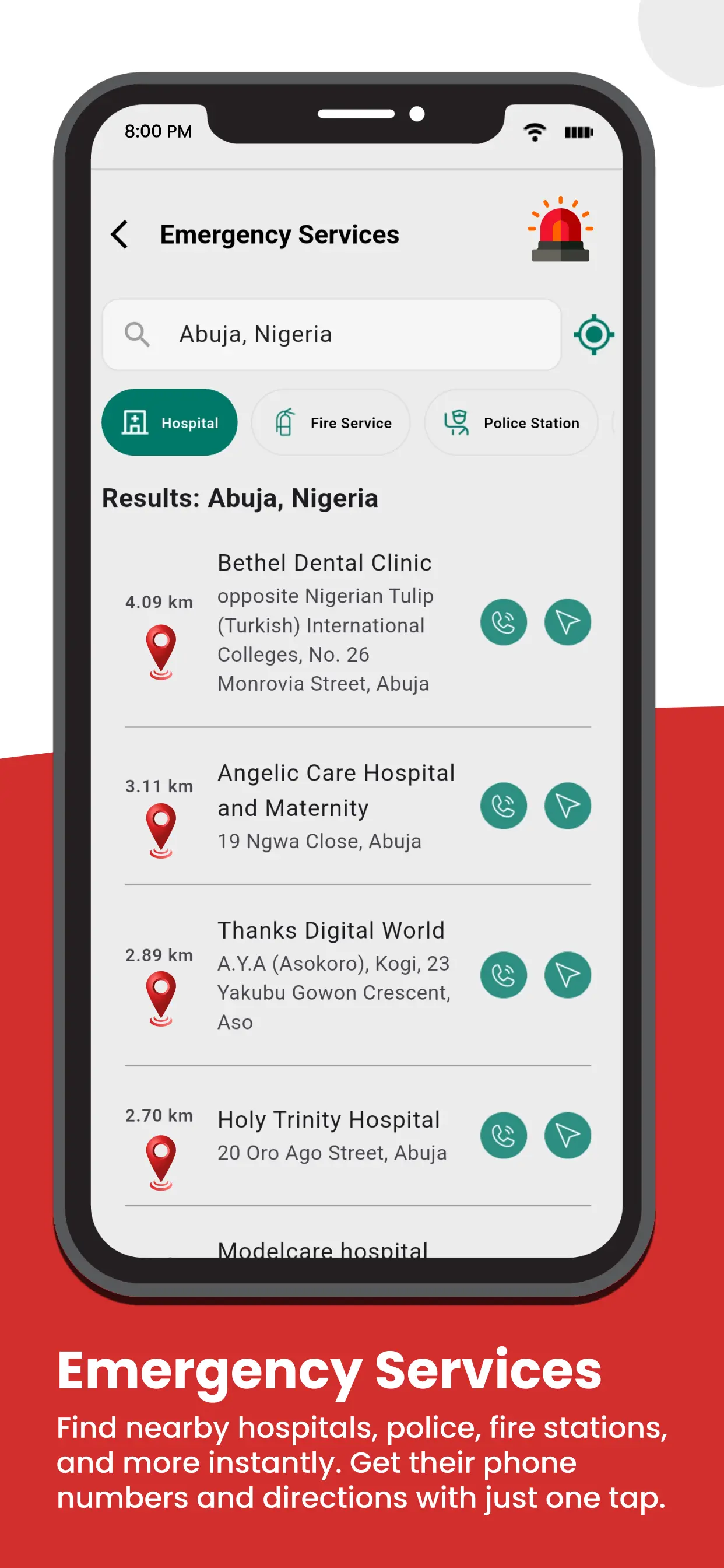
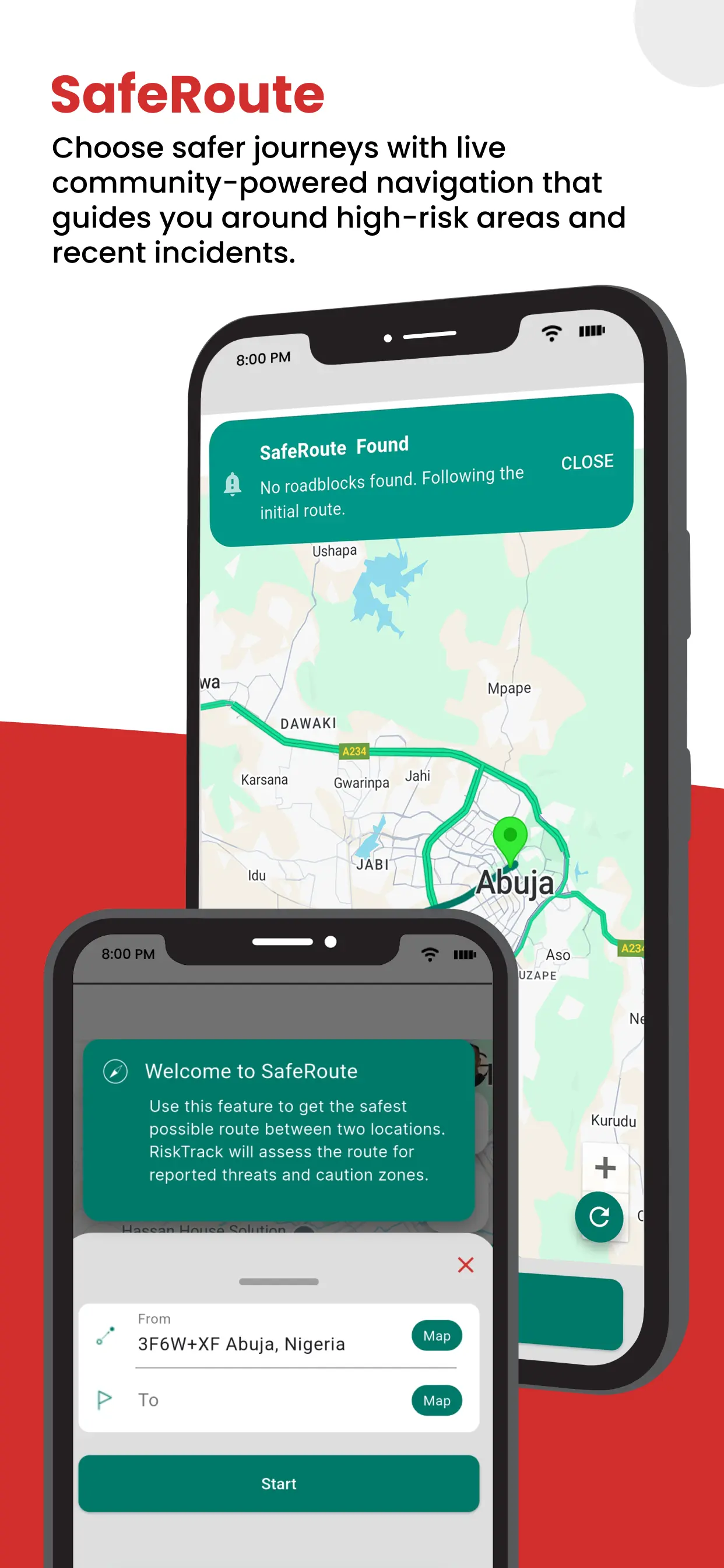
As organizations prioritize public safety and emergency preparedness, several platforms are becoming recognized as top safety alert websites 2026. These platforms provide advanced communication tools, and real-time emergency management features.
Technology is transforming the emergency communication industry. AI, automation, and predictive analytics are improving the effectiveness of modern alert systems.
A reliable emergency alert system is essential for organizations that prioritize safety, communication, and rapid emergency response. Whether used by businesses, schools, hospitals, or government agencies, modern alert technology helps protect lives and improve crisis coordination.
The best emergency alert system combines real-time communication, automation, scalability and multi-channel notifications to deliver fast and accurate information during emergencies. As safety risks continue to evolve, organizations must adopt modern emergency warning systems and public alert systems to stay prepared for future challenges.
An emergency alert system is a communication platform used to send urgent notifications during emergencies such as fires, severe weather, security threats or disasters.
An emergency notification system sends alerts through SMS, email, voice calls, mobile apps, and desktop notifications to inform people during emergencies.
An alert system focuses mainly on emergencies, while a mass notification system can also be used for operational communication and announcements.
Emergency warning systems help organizations communicate quickly during critical situations, improving safety and emergency response.
Schools, hospitals, businesses, government agencies, factories, and public safety organizations use emergency alert systems.
The best emergency alert system should offer real-time alerts, mobile access, multi-channel communication, automation, and reporting tools.
Yes. A safety alert system helps organizations notify employees quickly during workplace emergencies and security incidents.
Many modern emergency notification systems use cloud technology for remote access and scalable communication.
A public alert system is used by government agencies and public safety organizations to notify communities during emergencies or disasters.
Organizations should evaluate reliability, speed, scalability, integrations, ease of use, and support before choosing an emergency alert system.